

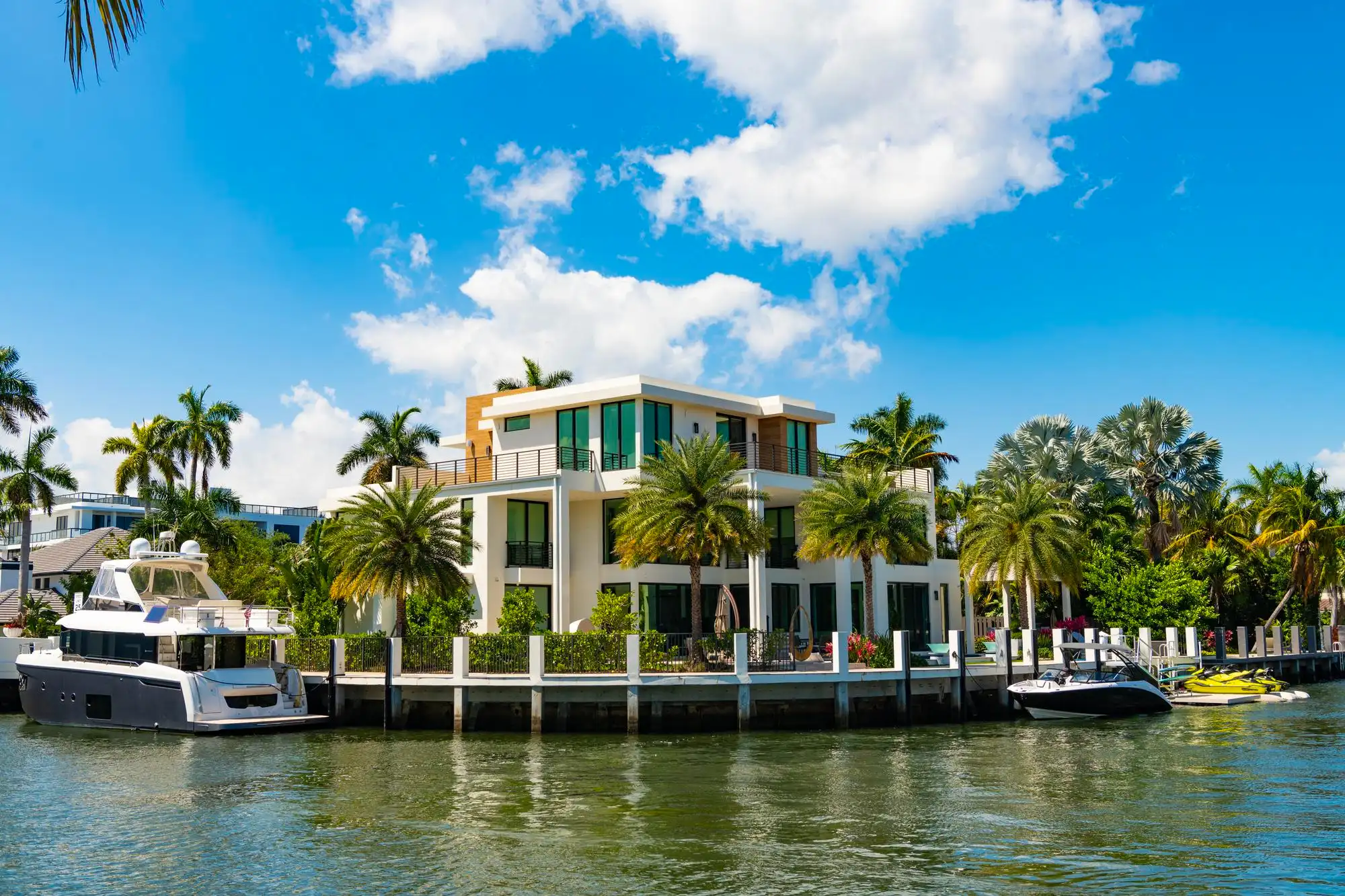
When I think about Miami luxury real estate, I see more than iconic architecture and prime waterfront views—I see a market powered by global capital, long-term demand, and strategic resilience. Over the years, Miami has matured into a true international gateway where high-net-worth buyers, family offices, and institutions value not just lifestyle but also liquidity, legal certainty, and capital preservation. In my view, luxury here isn’t a speculative flip; it’s disciplined exposure to a market with durable demand and a finite coastline.
real estate investment strategies for family offices in Miami

SUMARY
Contents
Why Miami Is a True Gateway Market (Liquidity, Legal Certainty, Global Demand)
What makes Miami stand out among global luxury hubs? Three forces reinforce each other: cross-border capital flows, a steady stream of international migration, and the sheer depth of cash buyers. That trifecta creates velocity on both the buy and sell sides—so when you need to enter or exit, you’re not waiting on a thin market. Add a stable legal framework and transparent transaction mechanics, and the city checks two boxes sophisticated capital cares about most: liquidity and certainty.
From my own deal flow and conversations with investors, I’ve seen luxury property here function as a store of value with lifestyle yield on top. That’s particularly true in prime waterfront corridors and marquee towers with defensible brand equity. Limited land supply—especially with water on one side and zoning caps on the other—keeps quality inventory scarce. Put simply: Miami is where lifestyle and wealth preservation intersect.
an institutional real estate investment strategy in Miami
How this translates into strategy
- Treat prime inventory as a long-term allocation, not a swing trade.
- Price the intangibles: legal clarity, title cleanliness, and building governance.
- Think in cycles: focus on assets that retain desirability through macro shifts (view corridors, design pedigree, privacy, and security).
Brief General Strategy Analysis
Personal note: I buy into Miami because demand here is enduring and global, not hype-driven. The strongest results I’ve seen come from disciplined selection and patience, not timing a headline.
Choosing Luxury Assets: Waterfront Homes vs. Prime Condos
For most buyers, the decision narrows to two paths: a waterfront single-family home or a best-in-class condo. Each has a different risk/return and lifestyle profile.
Waterfront homes
- Upside: Land is the ultimate scarcity. You control renovation, dockage, and privacy. The right lot—orientation, wake exposure, bridge clearance—can outperform in any cycle.
- Watch-outs: Carry costs (insurance, seawall, dock), maintenance logistics, and permitting timelines. In select micro-markets, premium homes can be illiquid if pricing gets ahead of the buyer pool.
Prime condos
- Upside: Full-service living, security, and amenities that magnify lifestyle value. New construction often delivers “turnkey” quality with strong architectural branding that travels well with international buyers.
- Watch-outs: HOA/condo rules (leasing windows, pet policies, special assessments), elevator-to-unit ratio, and the financial health of the association. Resale velocity depends on finishes, ceiling heights, elevator privacy, and view preservation.
real estate strategies applied by wealth managers
What holds value across both categories? Design integrity, protected views, quality construction, and privacy. I also look for features that read as “permanent advantages,” such as unobstructed water, private elevators, or a rare line/layout that competing buildings can’t replicate.
In my experience, the best outcomes come from buying the scarce attribute (the irreplaceable view, the singular line, the trophy lot) and letting everything else be negotiable.
Keyword variants to keep in mind (and that this guide covers): Miami luxury homes, Miami waterfront mansions, Miami luxury condos, ultra-luxury Brickell condos, Downtown Miami luxury residences.

Amenities That Actually Move Price (Club Floors, Sky Pools, Observatories, Marinas)
Not all amenities are created equal. Some photograph beautifully but don’t translate into resale value. The ones that tend to move price share three traits: exclusivity, daily utility, and brand-caliber design.
High-impact amenities
- Water access & marinas: Boat slips and private marinas create a moat—few buildings can add them later.
- Sky amenities with view monopolies: Rooftop pools, observatories, and dining where the view is the amenity.
- Wellness ecosystems: Serious spa programs, cold/hot therapy, natural light gyms, and treatment rooms signal a health-first lifestyle.
- Privacy infrastructure: Private elevators, limited units per floor, and discreet arrival sequences.
- Work-lifestyle integration: Library lounges, co-working suites, and private dining rooms that actually get used.
What I avoid: amenity stacks that are sprawling to the point of inefficiency (high OpEx, low utilization) or novelty features that age quickly. If an amenity doesn’t read as luxury utility five years from now, it’s a liability.
Personally, I prioritize privacy (elevator ratios), protected views, and a wellness program that residents use—those three have correlated best with resale traction in my playbook.
For a detailed breakdown of this policy shift, see our
Trump institutional investor ban SFR 2026 analysis by ARCSA.
Where to Buy: Neighborhood by Neighborhood
Brickell — Finance hub & ultra-luxury towers
Brickell is Miami’s financial engine: walkable to offices, elevated dining, and marquee towers with sophisticated services. It suits buyers who want vertical living with brand architecture, plus quick access to the urban core. Expect strong condo stock, competitive amenity programs, and international liquidity.
Downtown / Arts & Cultural District — Design-forward & connected
Downtown’s value proposition is cultural access—museums, bayfront venues, and metro connectivity—with a new-build pipeline that skews design-heavy. It’s a fit for buyers who want skyline drama, newer product, and quick links to Wynwood, Edgewater, and the Beaches.
Miami Beach — The classic waterfront lifestyle
From iconic oceanfront towers to quiet residential islands, Miami Beach trades on sand, water, and brand cachet. Inventory can be more heterogeneous—study each micro-pocket for short-term rental rules, historical protections, and flood considerations.
Coconut Grove — Canopy, schools, and yachting
If you want leafy streets, reputable schools, and access to marinas, the Grove is a blue-chip single-family market with a refined condo subset. Low turnover on best streets is common; patience pays.
Edgewater — Direct bay views with urban access
Edgewater’s appeal is pure Biscayne Bay frontage with quick hops to Wynwood and the Design District. Many buildings here live or die by their line and view management—study stack diagrams.
Sunny Isles — Beachfront towers with resort amenities
Sunny Isles caters to buyers seeking beachfront living with large-format residences and resort-style amenity stacks. Evaluate brand pedigree and absorption trends building by building.
My rule of thumb: buy the best version of your chosen product type in a micro-location you’d gladly hold through a full cycle.
Preconstruction Due Diligence for Luxury Buyers
Preconstruction can be a powerful way to secure a scarce line or next-generation finishes—if due diligence is tight.
What I verify before committing
- Team pedigree: Developer track record, architect and interior designer credentials, and whether prior projects delivered on time and as promised.
- Capital structure & timeline: Deposit schedule, escrow mechanics, construction lender, and realistic delivery windows.
- Documents & policies: Fact sheets, floor plans, finish schedules, HOAs, assignment/resale rules, rental restrictions, and pet/alteration policies.
- View protection: What could be built in front, beside, or behind? Ask for massing studies and easements.
- Ops & governance: Unit-per-elevator ratios, valet capacity, staff-to-unit metrics, and anticipated operating budgets to forecast HOA trajectories.
- Exit math: Historical absorption/resale of comparable lines; who is your future buyer?
“the general partner playbook for institutional real estate”https://arcsacapital.com/general-partner-institutional-real-estate-fund/
I approach preconstruction as a risk-managed allocation: the project must earn my trust on governance, view security, and brand equity—not just renderings.
Entry & Exit Strategies (Beyond Speculation)
Miami rewards long-term thinking. Here’s how I frame the life cycle of a luxury buy:
Entry
- Pay for the non-replicable feature (view corridor, trophy line, premier lot).
- Negotiate around the replicable (fixtures, credits, storage, parking).
- Time deposits to milestones if possible; understand currency exposure if wiring internationally.
Hold
- Treat the asset as preservation-first: maintain it proactively (windows, A/C, smart-home systems) and keep records for buyer confidence.
- If renting, align with building rules (minimum lease terms, number of leases per year). Furnished micro-strategies can work in specific buildings—check guidelines.
Exit
- List into liquidity windows (seasonality, delivery waves, tax calendar).
- Stage to the product’s DNA: if privacy and views are the hero, make that the showing script.
- Track competing inventory and undercut with certainty (clean docs, recent inspections, easy closing timelines).
View the firm’s institutional business model overview (PDF)
From my deals, the highest ROI typically comes from buying quality, holding through noise, and selling with immaculate documentation and presentation.

FAQs: Quick Answers to Common Miami Luxury Questions
Is Miami a speculation market?
For me, no. The segment I play—true luxury with global demand and finite supply—behaves like a lifestyle asset that doubles as a long-term store of value.
What matters more: brand or floor plan?
Both, but I’ll take an exceptional floor plan with protected views over a weak layout in a famous building.
How do cash buyers change the game?
They compress timelines and firm up price floors in best-in-class assets. That’s part of why liquidity feels different here.
What’s the single biggest red flag in condos?
Governance and financials. An under-resourced association or unclear reserves can overshadow great design.
Are marinas and boat slips worth the premium?
If you’ll use them—or your future buyer will—yes. They’re difficult to replicate and create defensible value.
How long should I plan to hold?
I think in cycles, not months. A 5–10 year horizon aligns with how Miami luxury demand compounds.
Conclusion
Miami luxury real estate sits at the intersection of sophistication, stability, and opportunity. The play is simple: acquire irreplaceability (water, views, privacy, brand-level design), validate governance and documents, and hold with patience. In my experience, this market isn’t driven by hype—it’s carried by disciplined investment fundamentals and enduring global demand.