Is Miami in a Real Estate Bubble? A Complete Institutional Data Review

Is Miami in a Real Estate Bubble? A Complete Institutional Data Review

This chapter covers miami real estate bubble as part of the Institutional Real Estate Investment Strategy Guide. Chapter 2 of 7. A data-driven review of bubble risk in the Miami real estate market and where dislocations create opportunity. For regulatory background, see the SEC and the IRS. Information only; not an offer or guarantee of results.

Previous: chapter 1 · Guide overview · Next: chapter 3

SUMARY

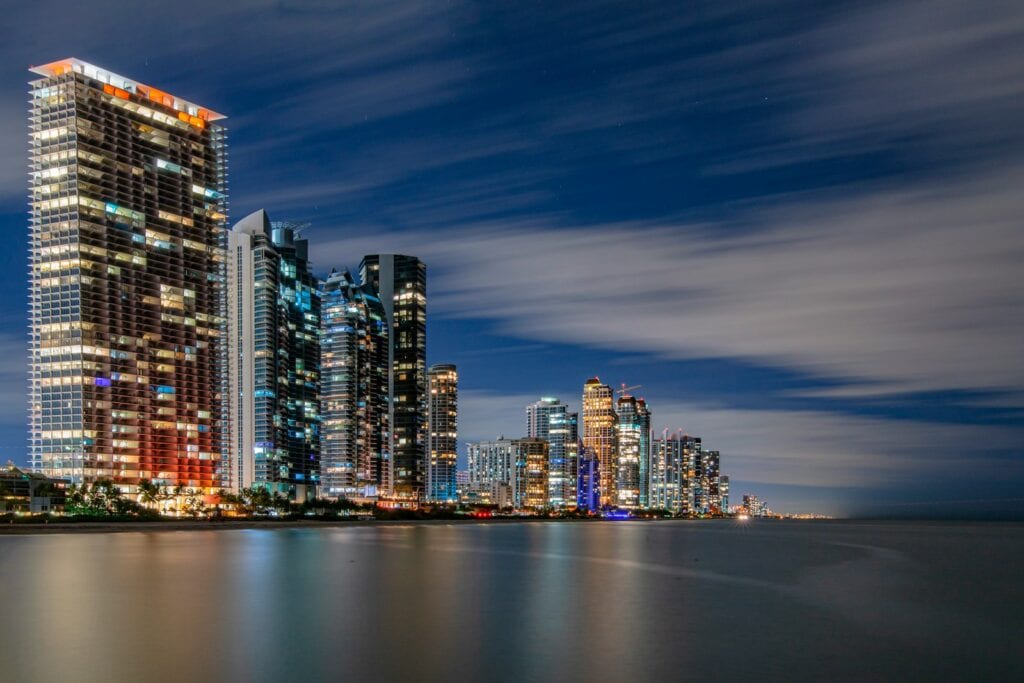
Miami downtown skyline at night over Biscayne Bay, Miami real estate bubble analysis

Miami Real Estate Market Bubble: Separating Fear from Opportunity

Is Miami in a Real Estate Bubble?

The question “Is Miami in a real estate bubble?” dominates institutional investor conversations in 2026. The answer requires precision: Miami is not experiencing a systemic bubble characterized by speculative excess and unsustainable leverage. However, specific micro-markets exhibit localized overvaluation that creates tactical opportunities for disciplined capital.

The Data Against Systemic Bubble Risk

Unlike the 2005-2007 period, current Miami fundamentals demonstrate structural resilience:

  • Distressed Sales Component: Only 0.8% of total transactions in H1 2025, compared to 50% during the Great Recession
  • Cash Transaction Dominance: Foreign capital concentration maintains liquidity without leverage dependency
  • Demographic Support: Net migration inflows of 90,000+ annually provide organic demand independent of speculation

These metrics indicate an orderly market rather than a bubble poised for collapse.

Where “Bubble-Like” Conditions Create Institutional Alpha

While systemic risk remains low, ARCSA Capital identifies three segments where pricing has exceeded fundamental support:

1. Mid-Luxury Condominiums ($3M-$10M)

New supply absorption challenges have created 100%+ increases in days-on-market for sub-$1M units. This is not a bubble—it’s inventory correction creating negotiation leverage for institutional buyers.

2. Speculative Pre-Construction

Developers who launched projects at 2021-2022 pricing now face refinancing pressure as interest rates stabilized at the “new normal.” These distressed positions represent acquisition opportunities at 30-40% below replacement cost.

3. Overleveraged Retail Flippers

The collapse of the amateur “Fix & Flip” model (see our Institutional Flipping analysis) has forced liquidations that institutional capital can absorb at forced-sale discounts.

The ARCSA Institutional Advantage: Capitalizing on Fear

Market participants asking “Is there a bubble?” are often paralyzed by uncertainty. ARCSA Capital’s 28-year track record demonstrates that the most profitable institutional strategy is not predicting bubbles—it’s positioning capital to acquire quality assets when fear creates temporary mispricings.

Our Distressed Asset Recovery framework targets the 2,502 foreclosure starts recorded in Q3 2025 (16% YoY increase), which will convert to acquisition opportunities in late 2026 and 2027 as Florida’s judicial foreclosure timeline completes.

Institutional Takeaway: Miami is not in a bubble. Miami is in a correction phase that separates speculative capital from institutional capital. Accredited investors evaluating private real estate may find these conditions relevant; any target return is an objective, not a guarantee.

Frequently Asked Questions

Is Miami in a real estate bubble?

Analysts disagree. Some measures show elevated prices relative to incomes, while others point to cash-heavy buying, constrained supply and lower leverage than in past cycles. This chapter reviews the data on both sides so readers can form their own view.

What signals do institutions use to assess bubble risk?

Common signals include price-to-income ratios, leverage and financing mix, days on market, inventory levels, insurance and carrying costs, and the share of speculative purchases. No single indicator is conclusive; institutions usually weigh several together.

Can a market have bubble-like pockets without a systemic bubble?

Yes. Specific segments, such as some mid-luxury condominium buildings, can face pricing pressure while the broader market stays balanced. Dislocations can create negotiating leverage, but they also carry risk and require careful due diligence.

General market information, not an offer, recommendation or guarantee of results.

Important Disclosures

Not an Offer or Solicitation. This article is provided for informational and educational purposes only and does not constitute an offer to sell, a solicitation of an offer to buy, or a recommendation of any security, investment product, or investment strategy. Any investment opportunities referenced are illustrative examples and do not represent specific offerings available to readers.

No Investment, Legal, or Tax Advice. The information contained herein is not intended as, and should not be construed as, investment advice, legal advice, or tax advice. Readers should consult with qualified legal, tax, and financial advisors regarding their specific circumstances before making any investment decisions. Investment in U.S. real estate involves complex tax, legal, and regulatory considerations that vary based on investor nationality, domicile, investment structure, and specific asset characteristics.

Forward-Looking Statements. This article contains forward-looking statements regarding market conditions, investment opportunities, and economic trends. Actual results may differ materially from those projected due to changes in economic conditions, interest rates, regulatory requirements, geopolitical events, and other factors beyond the control of investors or investment managers. Past performance is not indicative of future results.

Regulatory Compliance. International investors must comply with all applicable U.S. federal, state, and local laws and regulations, including but not limited to: Foreign Investment in Real Property Tax Act (FIRPTA), Corporate Transparency Act beneficial ownership reporting requirements, FinCEN Anti-Money Laundering and Know Your Customer protocols, Committee on Foreign Investment in the United States (CFIUS) review processes where applicable, and state-specific foreign investment restrictions. Regulatory requirements are subject to change, and investors bear responsibility for maintaining current compliance.

No assurance of Returns. All real estate investments involve risk, including the potential loss of principal. There is no assurance that any investment strategy will achieve its objectives or that investors will realize projected returns. Factors affecting investment performance include but are not limited to: market conditions, interest rate fluctuations, property-specific operational issues, regulatory changes, litigation, natural disasters, and general economic conditions.

Jurisdictional Limitations. This article is not directed to, or intended for distribution to or use by, any person or entity in any jurisdiction or country where such distribution or use would be contrary to local law or regulation. International investors are responsible for determining whether they are legally permitted to invest in U.S. real estate and for complying with all applicable laws in their country of citizenship, residence, and domicile.

Independent Verification Required. While information herein is derived from sources believed to be reliable, no representation or warranty is made as to the accuracy, completeness, or timeliness of such information. Market data, statistics, and economic indicators are subject to revision. Readers should independently verify all information before making investment decisions and should not rely solely on this article for due diligence purposes.

Conflicts of Interest. Authors, contributors, and affiliated entities may have financial interests in properties, investments, or strategies discussed herein. Such interests may create conflicts between the information presented and the financial incentives of those providing the information. Readers should consider potential conflicts of interest when evaluating the content.

Professional Qualifications. This article is authored by professionals with expertise in real estate investment, but authorship does not constitute a client relationship or fiduciary duty to readers. Establishment of such relationships requires formal engagement agreements, compliance with applicable regulatory requirements, and execution of appropriate disclosure and subscription documentation.

Discover why ARCSA is a prominent real estate investing company and REPE in Miami

The distinction between a broker and a professional operator is critical in today’s high-rate environment. ARCSA Capital stands out among real estate investing companies as a prominent REPE in Miami because we control the entire lifecycle of the investment. We don’t rely on market tailwinds; we manufacture value through technical underwriting and operational excellence. For Family Offices and high-net-worth individuals accustomed to the prestige of the UAE, our governance frameworks and transparent reporting provide the security of an institutional firm with the outsized returns of a boutique specialist.

​Institutional Notice: This document is for informational and educational purposes only and does not constitute an offer to sell or a solicitation of an offer to buy any securities. Any investment in ARCSA Capital strategies involves risk, including the possible loss of principal. Target returns and examples are illustrative and based on strategies and case studies described in ARCSA materials; they are not assurances of future performance. Prospective investors should review official offering documents and consult with their own legal, tax, and financial advisors before making any investment decision.

See the Regulatory Disclosure: SFR & BTR 2026